

AUTOMATION
 Asset Tracker
 Automatic Door
 Bell Timer
 BMS
BMS Canteen Management
 Central Vacuum Cleaner
 Garage Door
 Gate Automation
 Home Automation
 Home Theatre
 Hotel Door Lock
 Smart Lights
 Nurse Call System
 Occupancy Sensor
 Smart Lock
 Smart Parking System
 Visitor Management
 Wireless Communication
HOME AUTOMATION
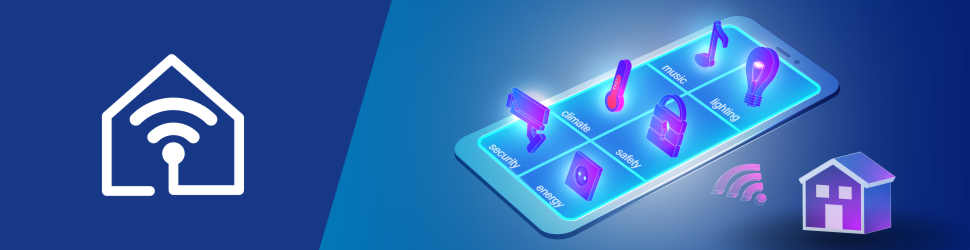
Home Automation: The Smart Way to Simplify Your Life
What if your home could understand you?
Imagine walking into a room that lights up to greet you, appliances that follow your routine, and doors that secure themselves without a second thought. This is not the future — it’s the present reality of home automation.
This guide breaks down what home automation is, how it benefits you, what devices are involved, and how to get started — all in simple terms. Whether you're a homeowner, a renter, or someone just curious about smart living, this post will help you understand the power and promise of an automated home.
Central Message: Home automation makes life easier, safer, and more efficient by putting control at your fingertips and simplifying daily routines.
What Is Home Automation?
Home automation refers to using technology to control various functions of your home — such as lighting, climate, security, entertainment, and appliances — through connected devices and systems.
These systems can be controlled remotely via a smartphone, tablet, or even voice commands, allowing your home to respond to your lifestyle and habits automatically.
Why Home Automation Matters Today
1. Convenience at Its Best
Controlling your entire home from your phone or through voice commands means no more running around to switch off lights or adjust appliances. Automation reduces repetitive tasks, giving you more time for what matters most.2. Improved Security
Automated security systems can detect unusual activity, send alerts, and allow remote monitoring. Whether you're inside or halfway across the world, you can always stay connected and in control of your home's safety.3. Energy Efficiency
Automated systems learn your preferences and optimize usage — turning off devices when not in use, adjusting lighting based on natural light, and regulating temperatures based on time of day or occupancy. This helps reduce waste and lower energy bills.4. Comfort and Customization
Home automation systems can create personalized experiences. Want soft lighting and calm music when you wake up? Or a “movie night” mode that dims lights and closes the blinds? Automation makes it possible.5. Accessibility for All
For elderly individuals or people with physical limitations, automation brings newfound independence — enabling them to control home functions without moving from place to place.Core Components of Home Automation
Home automation systems can range from simple setups to complex integrated environments. Here are the most common categories of devices involved:● Lighting Control
Turn lights on or off remotely, set schedules, or automate based on occupancy or time.● Climate Control
Automated fans, air conditioners, and heating systems adapt to your routine and comfort preferences.● Security and Surveillance
Includes door locks, sensors, alarms, and cameras — all connected for 24/7 protection and remote access.● Appliance Automation
Kitchen and cleaning appliances, water heaters, and entertainment systems can be automated or scheduled.● Curtains and Blinds
Open or close automatically based on the time of day or sunlight, improving comfort and privacy.How to Get Started with Home Automation
Step 1: Define Your Goals
Do you want more security? Energy savings? Ease of living? Identifying your goals helps you prioritize devices and systems.Step 2: Choose a Control Method
Home automation can be managed via:- Mobile apps
- Voice assistants
- Central control panels Decide which interface works best for your lifestyle.
Step 3: Start Small
Begin with a few devices — perhaps automated lights or smart switches — and expand gradually. Starting small lets you get comfortable before investing heavily.Step 4: Set Routines and Scenes
Configure your devices to follow routines. For instance:
- A “Good Morning” routine that opens blinds and turns on gentle lighting
- A “Goodnight” mode that locks doors and powers down all electronics
Step 5: Ensure Network Reliability and Security
Since these systems rely on internet connectivity, ensure your Wi-Fi is stable. Use strong passwords and update devices regularly to protect against threats.Common Misconceptions About Home Automation
❌ Myth 1: It’s Only for Tech-Savvy People
Truth: Today’s systems are designed for simplicity. Most devices come with user-friendly interfaces and easy setup instructions.❌ Myth 2: It Costs Too Much
Truth: You can begin with a few low-cost items and expand as needed. The long-term energy savings often offset initial costs.❌ Myth 3: It’s Just a Luxury
Truth: Automation brings real-world benefits — from enhanced safety to energy efficiency — making it a smart choice for everyone, not just a luxury.Creating a Smart Living Experience: Practical Use Cases
✔️ Wake Up to Your World
Instead of a blaring alarm, let soft lighting, gentle sounds, and pre-set temperatures greet you every morning.✔️ Leave the House in One Tap
With one command, turn off lights, shut appliances, close windows, and activate security.✔️ Remote Control from Anywhere
Whether you’re at work or on vacation, check who’s at the door, adjust settings, or activate systems remotely with ease.✔️ Safety for Kids and Elders
Use sensors and alerts to monitor doors, detect smoke or gas leaks, and ensure your loved ones are always safe.Best Practices for Home Automation Setup
- Prioritize Security: Use encrypted systems, secure networks, and two-factor authentication.
- Plan the Layout: Understand where you need coverage — indoors, outdoors, or both.
- Create Zones: Segment your home into zones (like “Living Area,” “Bedroom”) to make management easier.
- Test Regularly: Periodically test automations to ensure everything works as intended.
- Document Routines: Keep a log of settings and schedules to easily modify or troubleshoot later.
Long-Term Benefits of Home Automation
Saves Time Daily
Reduce the time spent on repetitive tasks and let your home handle the routine.Peace of Mind
Whether it's security, energy control, or appliance safety, automation removes daily anxieties.Eco-Friendly Living
Smarter usage of energy and resources makes your household greener and more responsible.Property Appeal
Smart homes often attract better resale value and buyer interest due to their convenience and efficiency.How Home Automation Is Shaping the Future
As technology evolves, automation is becoming more intelligent, intuitive, and connected.
- AI Integration will allow your home to learn patterns and make predictive adjustments.
- Voice and Gesture Controls will continue to improve accessibility.
- Inter-device Communication (IoT) will allow seamless interactions between your home’s various systems.
Conclusion: Smart Living Is the New Normal
Gone are the days when automation was a luxury or novelty. Today, home automation is a necessity — redefining comfort, safety, and efficiency in our daily lives.
Whether you're seeking peace of mind, better energy management, or just want life to be a little easier, smart home technology puts you in full control.
Final Takeaway: A smart home doesn’t just follow your commands — it understands your needs. The sooner you start, the smarter your life becomes.